
Four layers, six layers: what the layer count actually changes

Four layers, six layers: what the layer count actually changes
Bibs have very few numbers attached to them, and layer count is the most useful one. It predicts absorbency, drying time and how the bib feels, which between them cover most of what people care about.
What the layers are
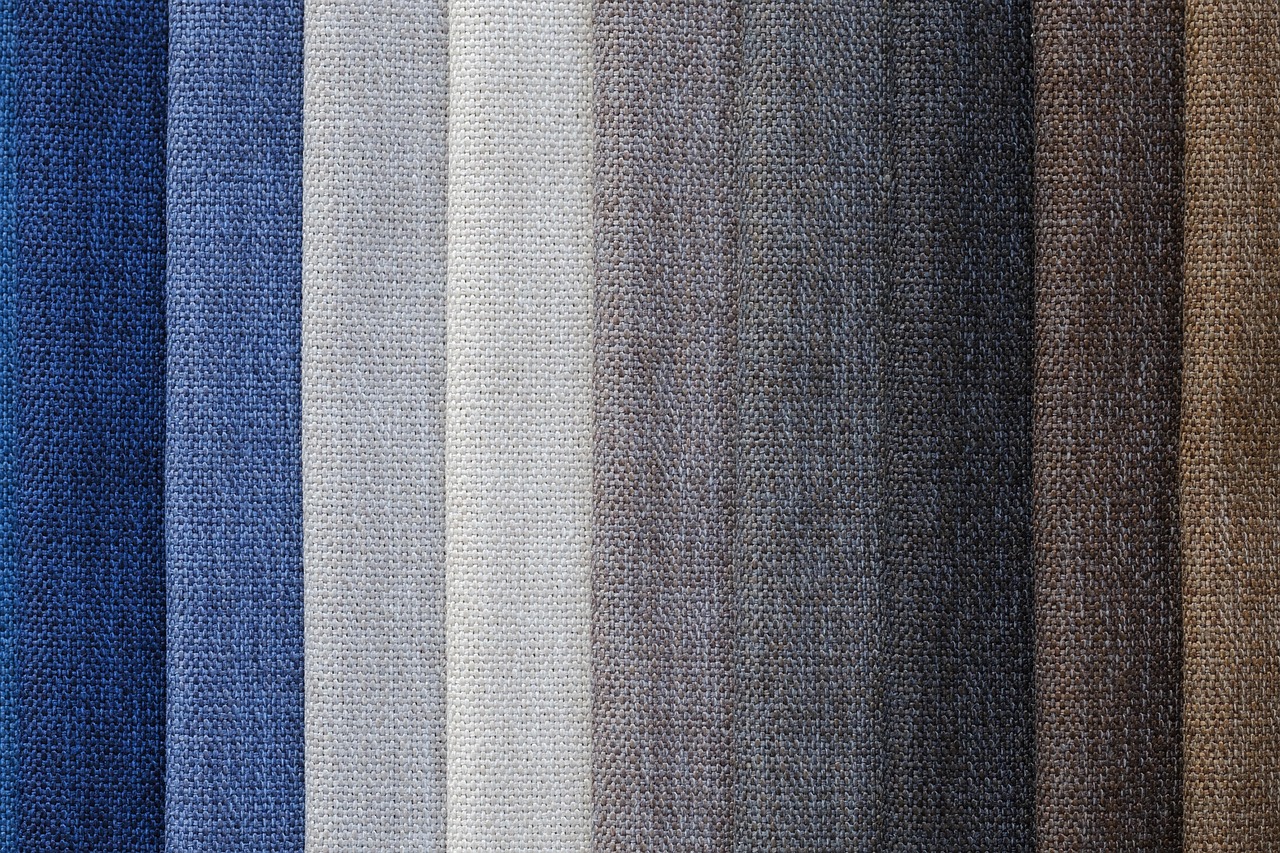
Muslin is a loose, open weave. A single layer is thin and dries almost instantly; stacking four or six layers together gives a fabric that holds a useful amount of moisture while still breathing.
The layers are stitched at the edges, which is also why muslin has that distinctive crinkled texture.
Four layers
Light, fast-drying and soft. Good for a bib that is changed often, for warm weather, and for a face cloth. Less good for a heavy drooler, because it wets through and then the clothes underneath do too.
Four-layer bibs are usually the cheapest and are a reasonable way to have a lot of them.
Six layers
The usual compromise and the one most families settle on. Enough absorbency for a drooling stage, still soft, still dries overnight on a rack. If you are buying one type, this is the one.
Six-layer muslin also holds up well to frequent washing, which matters more than any single-use property.
Backed bibs
A cotton front with a fleece or terry backing stops moisture reaching the clothes underneath. That is a different mechanism from adding layers: the backing repels rather than absorbing more.
They are warmer against the neck and take longer to dry, which is the trade. In winter that is fine; in July it is less pleasant.
Muslin gets better
A new muslin bib is noticeably stiffer than one that has been through ten washes. This is normal and it is why muslin has a reputation for softness that a brand-new pack does not immediately live up to.
Wash before first use, and expect the texture to keep improving for the first month.
Skip the fabric softener
Softener coats fibres, and a coated fibre absorbs less. On a bib, absorbency is the entire point. Muslin will get soft on its own; adding softener makes it feel soft and work worse.
The same applies to burp cloths and to anything else whose job is soaking something up.
Drying
Line or rack drying suits muslin and keeps it soft. A hot tumble dry shrinks cotton and hardens the edges over time. If you do tumble, use low heat and take them out slightly damp.
Six-layer bibs washed in the evening are dry by morning on a rack, which is usually enough to keep a rotation going.
Reading a listing
Layer count, fabric composition, dimensions and pack size. Those four are on every bib on the shop page. If you are choosing between two packs at the same price, the layer count and the fibre content are what actually separate them.
What GSM tells you, where it is given
Some makers publish grams per square metre alongside the layer count, and where both are given, GSM is the better comparison. Two six-layer bibs can differ considerably in weight, and the heavier one holds more.
Typical muslin sits somewhere between 100 and 180 GSM for the finished multi-layer fabric. Where a listing gives the figure we print it; where the manufacturer does not publish it, layer count and fibre content are the next best guide.
Why muslin crinkles, and why that is fine
The crinkle is a product of the loose weave and the way the layers are stitched, and it is what gives muslin its softness and its speed of drying. Ironing it out flattens the weave and makes the fabric less absorbent, which defeats the purpose.
Fold rather than iron. If you want a flatter finish for a gift, folding straight from the line while very slightly damp does more than an iron will, and it does not compress the fabric.
Bamboo and cotton blends
Bamboo viscose is often blended with cotton in bibs and marketed on softness. It is genuinely soft and drapes well, and it is somewhat less durable than pure cotton over many washes — the fibre weakens more when wet.
For a bib that will be washed several hundred times, a cotton or cotton-majority blend lasts longer. For a small number of very soft bibs used against irritated skin, bamboo blends have a real advantage. Our listings state the exact composition rather than only the headline fibre.
The short version
- More layers absorb more and take longer to dry.
- Muslin softens with washing; it starts stiffer than it ends.
- A fleece or terry backing stops soak-through onto clothes.
- Six layers is the usual sweet spot for drool bibs.
From our shelves
- Bearmoss 100% Cotton 10 Pack Muslin Baby Bibs for Drooling and Teething — $17.99
- Wrrernsin Muslin Baby Bibs for Unisex Boys Girls, Cotton Drool Bibs, Adjustable Newborn Bibs — $13.99
- Konssy 8-Pack Muslin Baby Bibs, Adjustable Fit for Drooling and Teething — $15.98
Where to go next
Browse the full range on the shop page, read the frequently asked questions before ordering, or check delivery timing on the Shipping Policy page. If you would rather ask a person, contact us — the phone reaches the counter.