
How many bibs do you actually need?

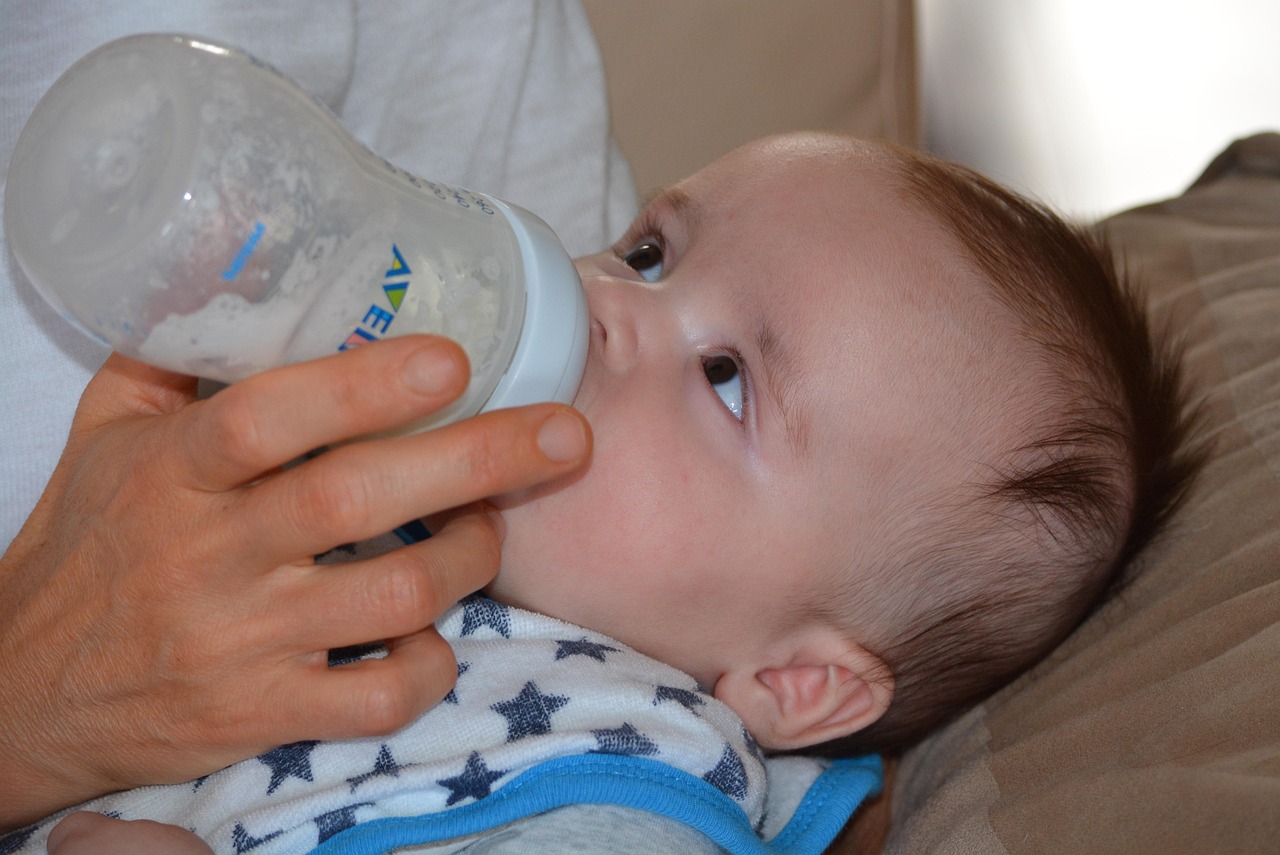
How many bibs do you actually need?
Nearly everybody buys one pack of bibs and then buys another within a month. It is worth understanding why, because the number you need is a function of your washing machine rather than of your baby.
Start from the laundry cycle
Work out how often you run a wash. If it is every other day, you need enough bibs for two days plus whatever is in the machine plus a small reserve. If it is twice a week, that number roughly doubles.
This is why families with the same baby end up needing very different quantities, and why a general recommendation is not much help.
What a day looks like
Before teething, a feeding bib or two a day and a burp cloth over the shoulder covers it. Once teething starts, a drool bib can be soaked through in an hour and a change of clothes becomes the alternative. Six to eight a day is not unusual at that stage.
The step change is abrupt, which is why the first pack always feels sufficient right up until it does not.
Different bibs for different jobs
Bandana bibs handle drool and stay on all day. Larger muslin or terry bibs handle feeding. Burp cloths go over a shoulder. They are not interchangeable, and a household needs some of each rather than twelve of one.
Roughly: a pack of bandana bibs, a pack of feeding bibs and a pack of burp cloths is a sensible starting set.
Where they need to be
Four in the changing bag, permanently, restocked whenever you get home. A stack in the kitchen. A stack in the nursery. A bib that is in a drawer upstairs when you need it downstairs is not a bib you own.
Distributing them is more useful than owning more of them.
Why packs of ten
Bibs are sold in packs of six, eight, ten and twelve because those are the quantities that match a real laundry cycle. Buying singly is more expensive per bib and never quite enough.
Multi-packs also come in mixed patterns, which quietly solves the problem of everything in the wash at once being the same colour.
When the count drops again
Drooling eases, feeding gets tidier, and around the point a child is eating properly the bib count falls sharply. At that stage a couple of wipe-clean feeding bibs replace a drawer full of muslin.
The muslin ones do not go to waste; they become face cloths, burp cloths and general-purpose rags for years.
Buying once
Ten to twelve bandana bibs, six feeding bibs and eight to twelve burp cloths covers the drooling stage for a family washing every other day. Adjust up if you wash less often.
Pack sizes and layer counts are on every listing on the shop page, so you can work out the total rather than guessing.
If you are buying as a gift
Bibs are one of the few baby gifts that are always needed and never duplicated in a bad way. A larger multi-pack in neutral colours is more useful than a small set in a specific theme, and it will get used every day.
The counter on 12th Avenue can put a mixed set together if you want to cover all three types in one go.
Where the bibs actually get lost
Households rarely run out of bibs; they run out of bibs in the right place. They accumulate in the changing bag, in the car, under the high chair and in a pile beside the washing machine, and the drawer in the nursery is empty.
A weekly sweep of the usual places puts most of them back in circulation. It is worth doing before buying more, because the second pack often turns out to be unnecessary once the first one is all in one room.
Buying for a gift, and what people already have
Bibs are among the few things nobody has too many of, which makes them a safe gift. What varies is type: a family already drowning in newborn drool bibs may have nothing suitable for weaning, and vice versa.
A mixed pack — some bandana bibs, some burp cloths, one wipe-clean feeding bib — covers all three stages and is more useful than a dozen of one kind. Neutral colours also survive being handed on to a second child, which multi-packs in a specific theme rarely do.
The short version
- Teething doubles the daily count almost overnight.
- Count backwards from your laundry cycle, not from a guide.
- Ten to twelve covers most families through the drooling stage.
- Keep four in the changing bag permanently.
From our shelves
- Wrrernsin Muslin Baby Bibs for Unisex Boys Girls, Cotton Drool Bibs, Adjustable Newborn Bibs — $13.99
- Konssy 8-Pack Muslin Baby Bibs, Adjustable Fit for Drooling and Teething — $15.98
- Bearmoss 6 Pack Baby Girl Bibs for Newborn, Muslin Bibs with Ruffle Trim — $13.29
Where to go next
Browse the full range on the shop page, read the frequently asked questions before ordering, or check delivery timing on the Shipping Policy page. If you would rather ask a person, contact us — the phone reaches the counter.